

POUR-OVER COFFEE
A more deliberate cup of coffee.
A five-part local guide from {{Business.BusinessName}}, connected to the current menu and current business information.
BREWED WITH ATTENTION
Why Pour Over Feels More Deliberate
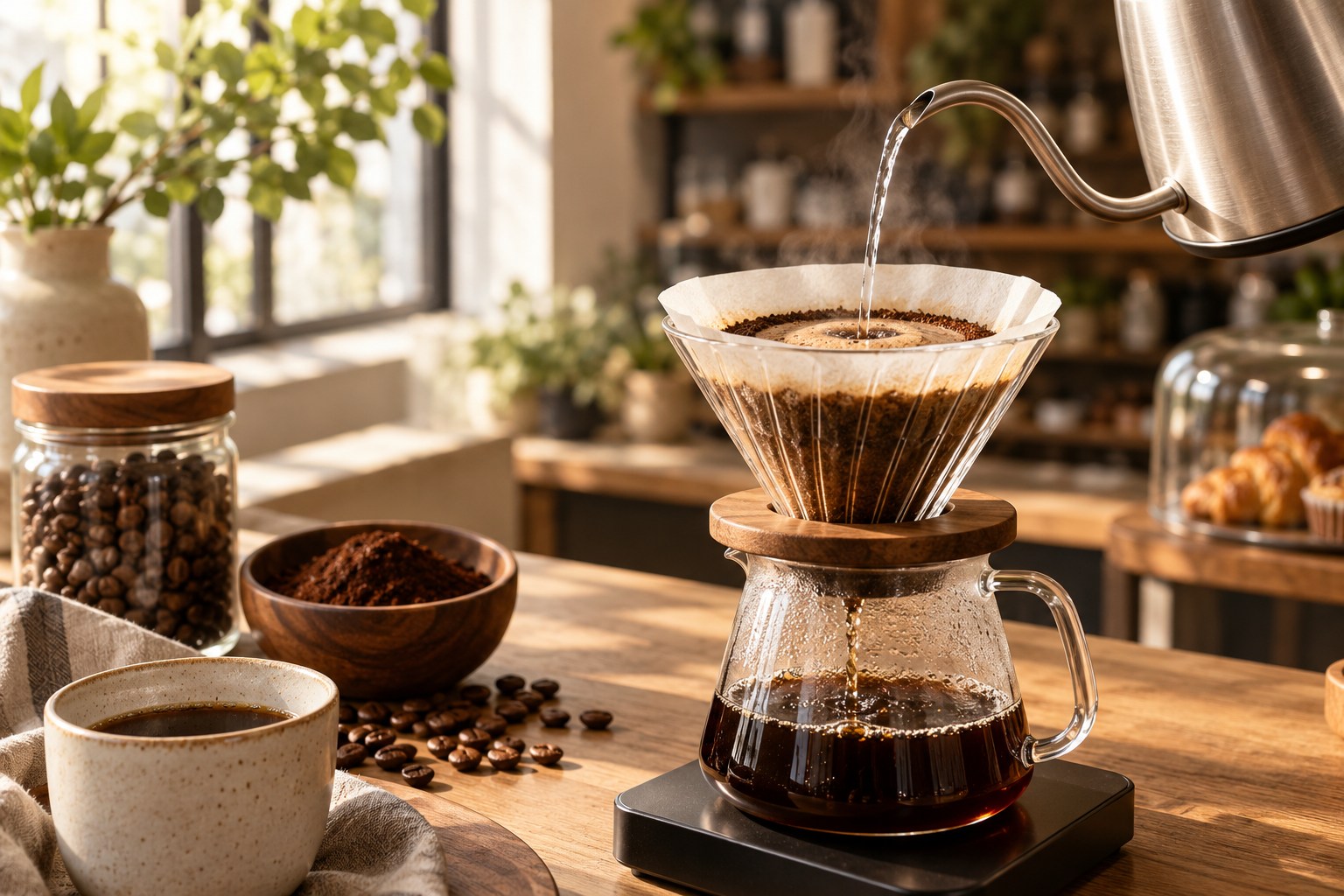
Pour-over coffee makes the brewing process visible and paced, inviting the guest to think about aroma, clarity and origin instead of treating coffee as background. That question is a practical place to begin when someone searches locally for a hand-prepared coffee experience centered on clarity and aroma. A nearby café is useful because it can fit into a real route through the day, not because proximity erases the need to choose well. {{Business.BusinessName}} gives guests several menu directions to consider before leaving home.
For a first visit, considering why pour over feels more deliberate is less about memorizing café vocabulary than identifying the experience you want. Think about pace, appetite and whether the order will travel. A quick pickup rewards clarity; a slower stop leaves room to notice texture, temperature and the way flavors change over time.
The published selection includes the current single-origin pour-over offering. Those choices make the category broad enough for different tastes without suggesting that every item serves the same purpose. Browse the current names and prices, then keep a short list based on origin character, aroma, brewing pace and the experience of drinking it. That turns a large menu into a manageable local decision.
{{Business.BusinessName}} is listed in {{Business.City}}, and its address and contact details on this site are retrieved from the current Internet of Doing business record. That connection matters for local search: the useful result is not merely an article about a category, but a guide that leads to the actual business information and current menu.
From here, continue to the next part of the guide and consider the category from a different angle. Each section narrows a separate decision, so by the end you can approach the live menu with a clearer sense of what fits your taste and your day. Keep the idea of why pour over feels more deliberate in mind as one useful part of that larger decision.
ORIGIN CHARACTER
Single Origin Coffee And Sense Of Place
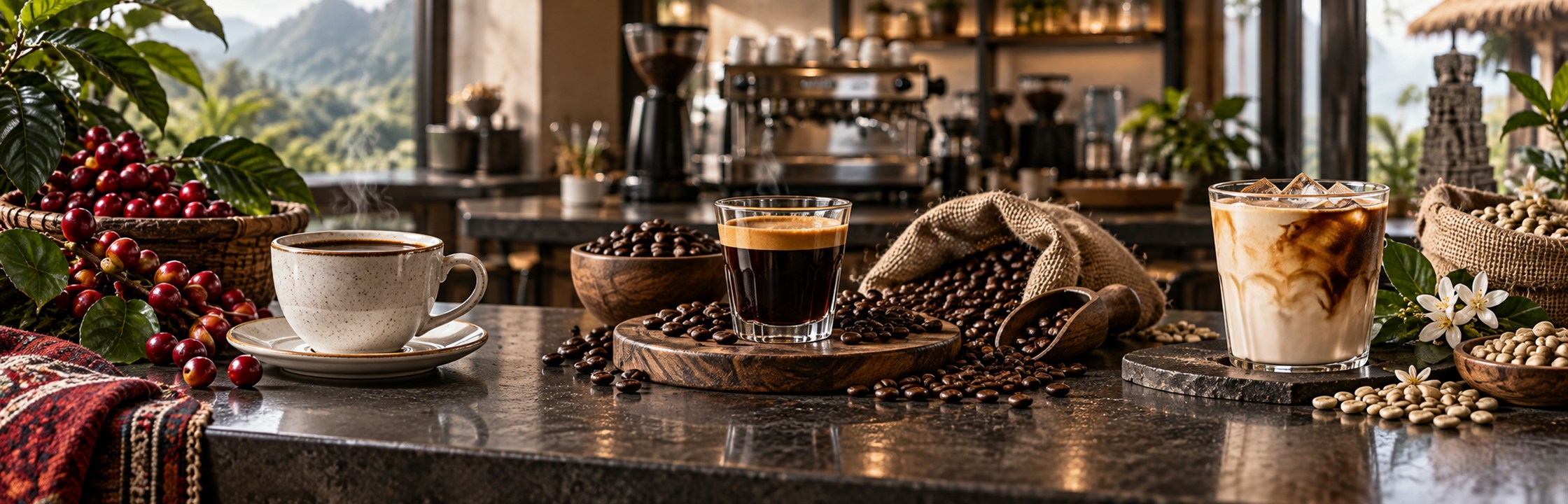
A single-origin offering gives the coffee’s source a more central role and encourages attention to the characteristics that distinguish one lot or region from another. Understanding that distinction helps a guest read the current single-origin pour-over offering as different preparations rather than a row of interchangeable labels. The point is not to turn ordering into a test. It is to give each name enough meaning that a visitor can recognize which direction sounds promising.
Preparation changes what reaches the cup or plate. Water, milk, ice, fruit, spice, texture and proportion can strengthen one characteristic while softening another. In the case of single origin coffee and sense of place, the most useful comparison is the one tied to your senses: what should feel bold, gentle, rich, bright, warm, cold, smooth or crisp?
Current descriptions and prices come from the live menu, while questions about recipes belong with the café. If an ingredient, allergen, sweetener, milk choice or caffeine concern affects your decision, contact {{Business.BusinessName}} directly. A product title can guide exploration, but it cannot replace a preparation-specific answer from the people serving it.
Once the differences are clear, the choice becomes personal rather than mysterious. Consider origin character, aroma, brewing pace and the experience of drinking it, then choose the preparation that emphasizes the qualities you value. This approach also makes it easier to try something new: you can move one step away from a familiar favorite instead of making a blind leap across the menu.
From here, continue to the next part of the guide and consider the category from a different angle. Each section narrows a separate decision, so by the end you can approach the live menu with a clearer sense of what fits your taste and your day. Keep the idea of single origin coffee and sense of place in mind as one useful part of that larger decision.
THE BREWING VARIABLES
Water, Grind And Extraction
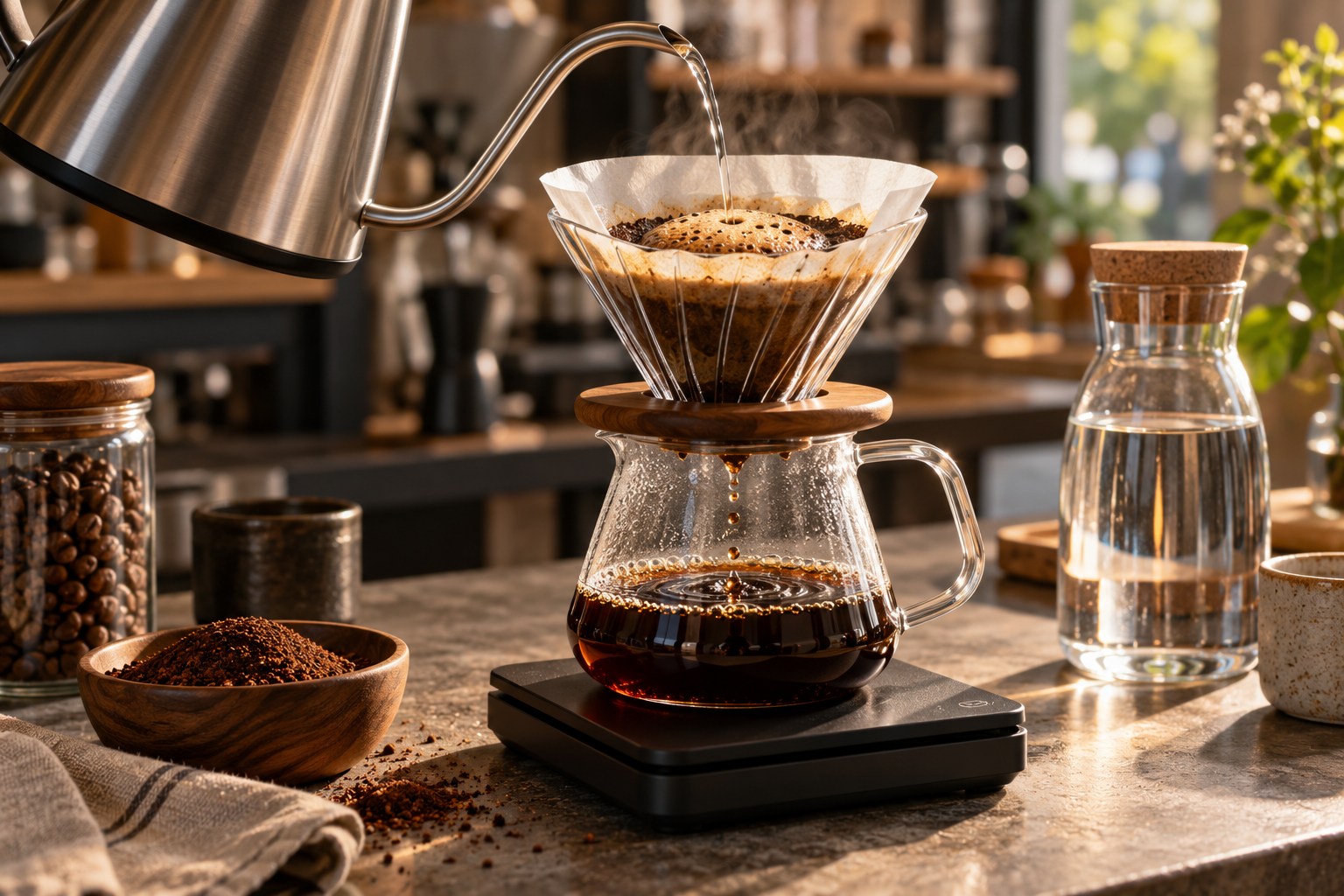
Pour-over preparation depends on the relationship among water, ground coffee, time and technique, each influencing how flavor reaches the finished cup. Habit is useful when speed matters, but flavor is the better guide when you want the order to match your mood. The pour-over coffee category gives visitors several routes, and water, grind and extraction creates a simple way to decide among them.
Begin with one priority. It might be origin character, aroma, brewing pace and the experience of drinking it. Do not try to optimize every characteristic at once. When one priority leads, the other details become filters rather than competing decisions. A guest who begins with temperature, for example, can narrow the menu before considering sweetness, milk, fruit or serving size.
The examples currently associated with this guide include the current single-origin pour-over offering. Their availability and prices should be checked on the live menu because published offerings can change. The guide supplies context; Internet of Doing supplies the current business inventory; and the café supplies answers about customization, ingredients and what can be prepared at that moment.
This flavor-first method respects different tastes. It does not assume that stronger, sweeter, larger or more elaborate is automatically better. It asks what will feel satisfying now. That can lead a regular customer back to a familiar order or give a curious visitor a reason to try a neighboring option with a clearly understood difference.
From here, continue to the next part of the guide and consider the category from a different angle. Each section narrows a separate decision, so by the end you can approach the live menu with a clearer sense of what fits your taste and your day. Keep the idea of water, grind and extraction in mind as one useful part of that larger decision.
FROM HOT TO WARM
Taste Slowly And Notice The Changes
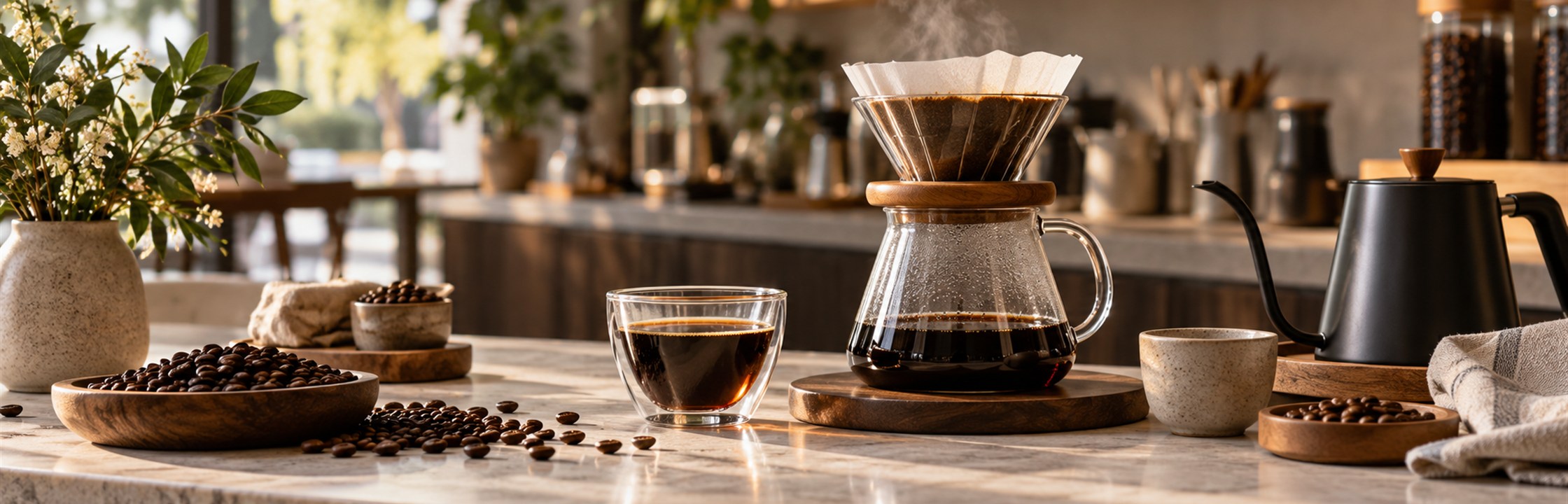
A carefully brewed coffee can reveal different impressions as it cools, making the experience rewarding for someone willing to stay with the cup. A curious coffee tasting, a slower morning or a focused café visit each place different demands on the same menu. An item that works beautifully on its own may play another role beside breakfast, during conversation or while traveling to the next appointment.
Pairing begins with contrast and reinforcement. A rich item can be balanced by something cleaner, while a subtle choice can be supported by a simple companion that does not overwhelm it. For a hand-prepared coffee experience centered on clarity and aroma, think about whether you want the second item to echo the main flavor or provide a break from it.
Time changes the experience as well. Hot items cool, ice melts, blended textures soften and breakfast is best considered with the length of the trip ahead. If the order will travel, choose with that reality in mind. If you plan to stay, you may enjoy a preparation that rewards a slower pace and closer attention.
The live menu helps build the pairing from what {{Business.BusinessName}} currently publishes. Use it to compare the current single-origin pour-over offering, but contact the café when your pairing depends on ingredient compatibility or a requested adjustment. The strongest café moment is not the most complicated combination; it is the one in which the pieces make sense together.
From here, continue to the next part of the guide and consider the category from a different angle. Each section narrows a separate decision, so by the end you can approach the live menu with a clearer sense of what fits your taste and your day. Keep the idea of taste slowly and notice the changes in mind as one useful part of that larger decision.
A CUP WITH TIME
When To Choose Pour Over
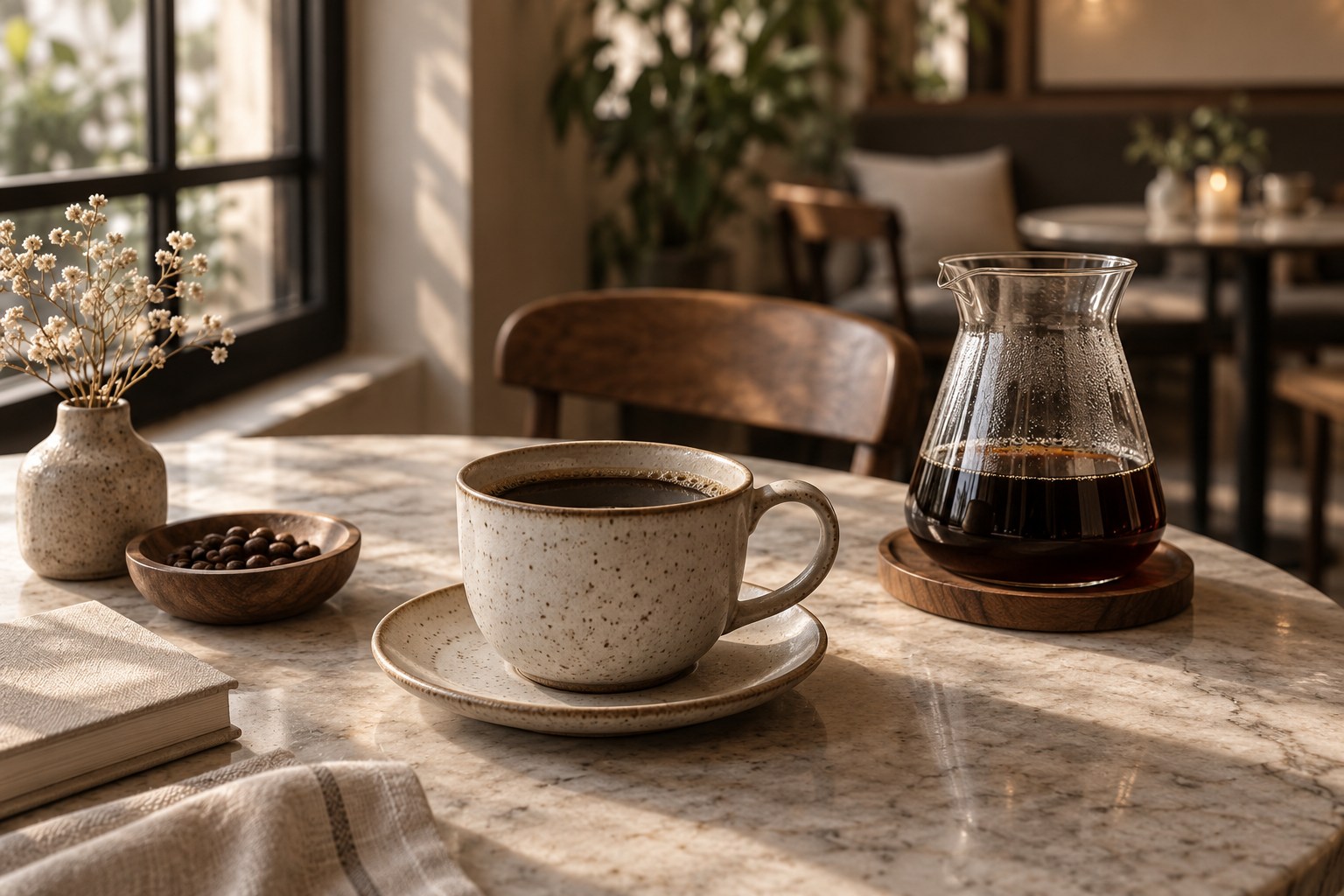
Pour over is especially suited to moments when curiosity and attention matter more than speed, even though current availability should always be confirmed. Start by opening the live menu and confirming that the item you have in mind is currently published. Prices and offerings on this website are supplied through Internet of Doing, so this page avoids freezing a temporary menu into permanent prose.
Next, review the practical details. {{Business.BusinessName}} is listed at {{Business.AddressInline}} in {{Business.City}}, {{Business.State}}. The business name, city, address and telephone information displayed on the site are loaded from its current IOD business record when the page loads, allowing a refresh to reflect a later business update.
If your choice depends on origin character, aroma, brewing pace and the experience of drinking it, use the menu description as a starting point and ask the café for the final answer. That is especially important for allergens, dietary restrictions, caffeine questions, substitutions and preparation requests. A live product listing improves accuracy, but direct communication remains the right path for individual needs.
Finally, choose the role this stop will play: a curious coffee tasting, a slower morning or a focused café visit. That context will often resolve the last decision about size, temperature, richness or portability. The purpose of this guide is to make the visit easier to imagine; the purpose of the live menu and contact links is to connect that idea to the business as it operates now.
Refreshing the page before a future visit is worthwhile because the connected information can change after this guide is published. Browse, ask what you need to ask, and let the current menu—not an old screenshot or an unsupported claim—shape the final order. The result is a visit grounded in current information and a choice that still feels personal.